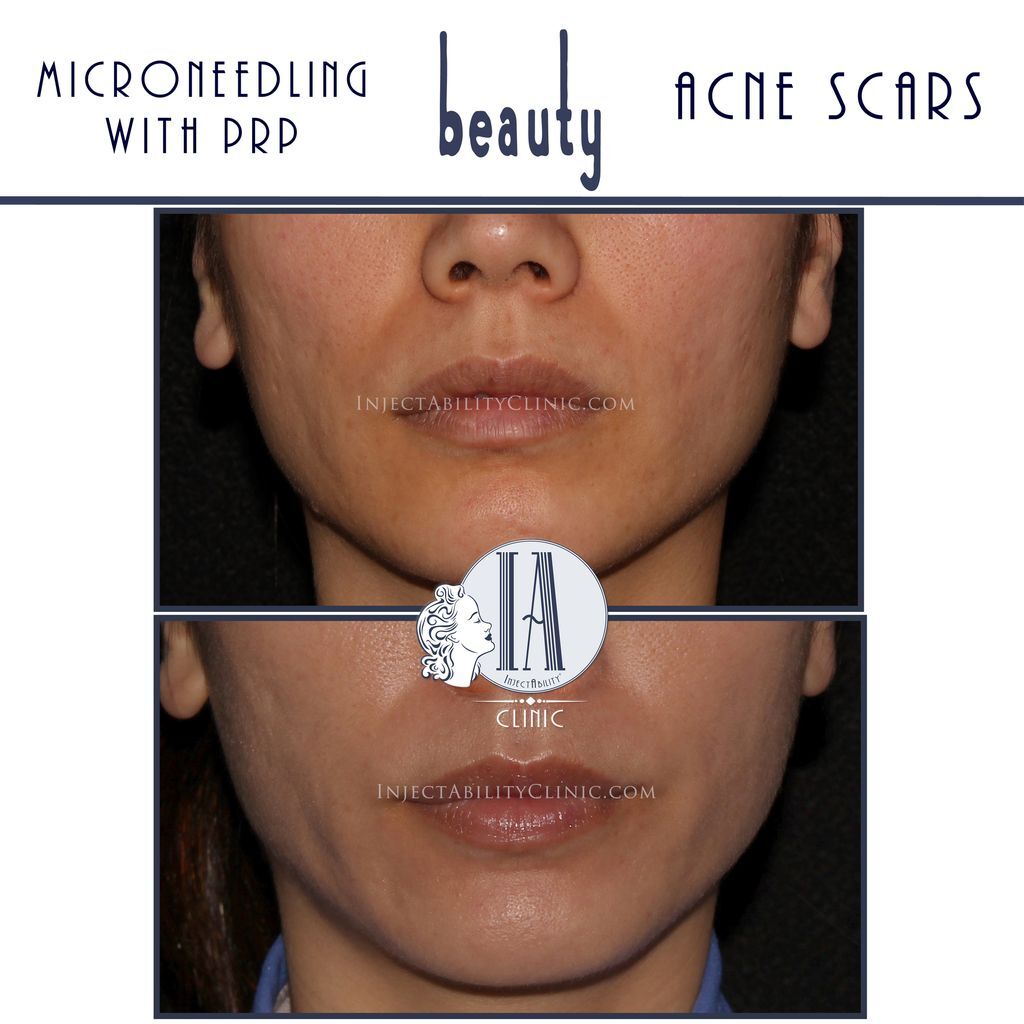
Acne is stressful enough while it is happening. But for a lot of people, the real frustration starts after the breakouts clear up, when the skin is left with textural changes that seem to stick around no matter how well the skin behaves otherwise. Shallow depressions, rough patches, and pores that look more noticeable than they used to are some of the most common long-term skin concerns people bring into Injectability Clinic in Torrance.
If you have ever wondered why these marks seem so much harder to fade than the breakouts that caused them, there is a real physiological reason for that. This guide explains what is actually happening beneath the surface, when these concerns are worth addressing professionally, and how microneedling has become one of the most well researched, non-surgical ways to improve them. Updated for August 2026.
Acne scars and stretched pores are not simply leftover marks. They reflect real, physical changes in the structure of the skin that occurred during the inflammatory process.
The depth and severity of inflammation during a breakout largely determines what happens afterward. Superficial pimples typically heal without leaving lasting texture changes, but deeper, more inflamed lesions, like cysts or nodules, damage the collagen and elastin fibers that give skin its smooth, even structure. According to research published by the American Academy of Dermatology, this collagen damage is the primary reason certain acne scars, particularly the depressed, pitted kind known as atrophic scars, are so difficult to resolve without intervention.
Pore size is partly genetic, but a few other factors make pores appear more prominent. Chronic inflammation from repeated breakouts stretches the pore lining over time. Excess oil production, common in oilier skin types, can distend pores when they become clogged. Sun damage reduces the elasticity around the pore opening, causing it to sag and appear larger, similar to how skin loses firmness elsewhere on the face.
Understanding the type of scarring helps determine what treatment will actually help. Ice pick scars are narrow, deep, and pitted. Boxcar scars are wider with more defined, angular edges. Rolling scars create a wavy, uneven texture across the skin. Most people have a combination of these rather than just one type, which is part of why textural concerns can feel so stubborn to treat.
If your skin has healed from active breakouts but still shows visible depressions, roughness, or enlarged pores that makeup and skincare cannot smooth over, this usually indicates structural changes that need a treatment capable of stimulating deeper skin repair rather than surface level care alone.
This is one of the most common questions people ask before considering an in-office treatment, and it is worth answering honestly.
Retinoids, vitamin C, and exfoliating acids can meaningfully improve skin tone, mild texture, and post-inflammatory discoloration over time. However, these ingredients work primarily on the surface and upper layers of skin. They are generally not able to reach the deeper dermal layer where true structural scarring occurs, which is why textural scars often persist despite a diligent skincare routine.
Meaningful improvement in acne scarring requires stimulating new collagen production in the deeper layers of skin, essentially encouraging the body to rebuild some of the structural support that was damaged during the original inflammation. This is a process that professional, in-office treatments are specifically designed to trigger.
Microneedling works by creating a controlled series of microscopic punctures in the skin using fine, sterile needles. This might sound intense, but the process is well tolerated and backed by a substantial body of clinical research.
The tiny channels created during microneedling trigger the body's natural wound healing response, prompting an increase in collagen and elastin production in the treated area. Over the following weeks, this new collagen gradually fills in depressed scars and tightens the skin around enlarged pores, resulting in a smoother, more even texture.
Most treatment plans involve a series of three to six sessions, spaced about four to six weeks apart, allowing the skin adequate time to rebuild collagen between appointments. Some improvement in tone and texture is often visible after the first couple of sessions, with more significant changes to scarring and pore appearance developing gradually over the full course of treatment.
One advantage of microneedling over some laser based treatments is that it works well across a wide range of skin tones, since it does not rely on targeting pigment the way certain lasers do. This makes it a particularly versatile option for the diverse range of patients seen at clinics throughout the South Bay.
Microneedling tends to be a strong fit for people dealing with atrophic acne scarring, whether mild or more pronounced, enlarged pores that have become more noticeable over time, uneven skin texture or fine lines in addition to scarring concerns, and anyone looking for a treatment with minimal downtime compared to more invasive resurfacing procedures.
People with active acne breakouts, certain skin infections, or a history of keloid scarring should discuss this with their provider first, since these factors can affect whether microneedling is the right starting point or whether another approach should come first.
A thorough consultation at Injectability Clinic starts with an honest look at your skin, including the type and depth of scarring present, followed by a conversation about realistic expectations and how many sessions are likely needed for your specific concerns. The team can also walk you through complementary options, including how microneedling pairs with an aesthetic facial or medical grade skincare to support results between sessions. Patients curious about real outcomes can also browse the practice's before and after gallery for a closer look at the kind of improvement possible.
Can microneedling really improve old acne scars? Yes. By stimulating new collagen production in the deeper layers of skin, microneedling can gradually improve the appearance of atrophic acne scars, especially with a series of treatments over time.
Does microneedling help with enlarged pores? It can. The collagen stimulated by microneedling helps tighten the tissue surrounding pores, which often makes them appear smaller and less noticeable.
How many microneedling sessions will I need? Most treatment plans involve three to six sessions spaced four to six weeks apart, though this varies depending on the severity of scarring or texture concerns.
Is microneedling painful? Most patients describe mild discomfort similar to light sandpaper on the skin. A topical numbing cream is typically applied beforehand to keep the treatment comfortable.
How long is recovery after microneedling? Downtime is generally minimal, with redness similar to a mild sunburn lasting anywhere from a few hours to two days depending on the intensity of treatment.
Acne scars and enlarged pores can feel like a permanent souvenir from breakouts you would rather forget, but they do not have to be. Once the skin's structure is understood, it becomes clear why microneedling has earned its reputation as one of the more reliable, research backed options for smoothing texture over time. If you are ready to explore whether it is the right fit for your skin, the team at Injectability Clinic in Torrance is happy to walk through your options with you.
This article was updated in August 2026 to reflect current microneedling techniques and best practices.
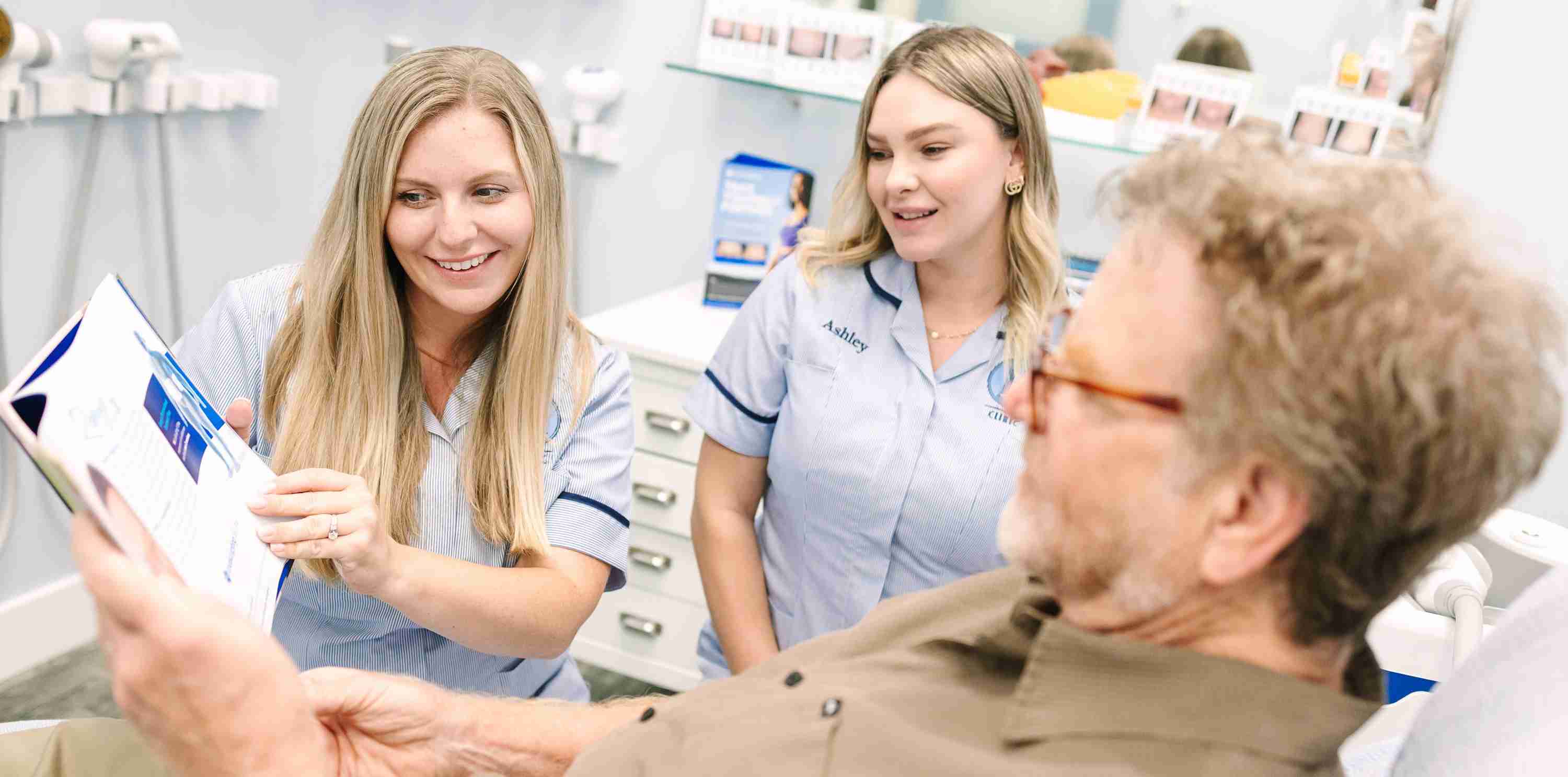
Every experience the staff has gone above and beyond to make sure I was comfortable with my choice, during my treatment and confident in my results. They are kind and knowledgeable. Leslie is a master with Botox, and Emma is a wizard at skincare recommendations. Front staff is quick to respond and accommodating. Over the past year, I've pursued the Cool Sculpt and Cool Tone treatments, and am so happy with the results.
- Krista B.

I got filler for the first time with Dominique. She is such a sweetheart! She listened to all of my concerns and delivered the exact results I wanted! She didn't rush and took her time to achieve the look I was going for, natural youthful lips! She has a gentle hand and made me feel so at ease. I will be returning soon. And the clinic is pristine and all of the staff very welcoming.
- Elena Gonzalez
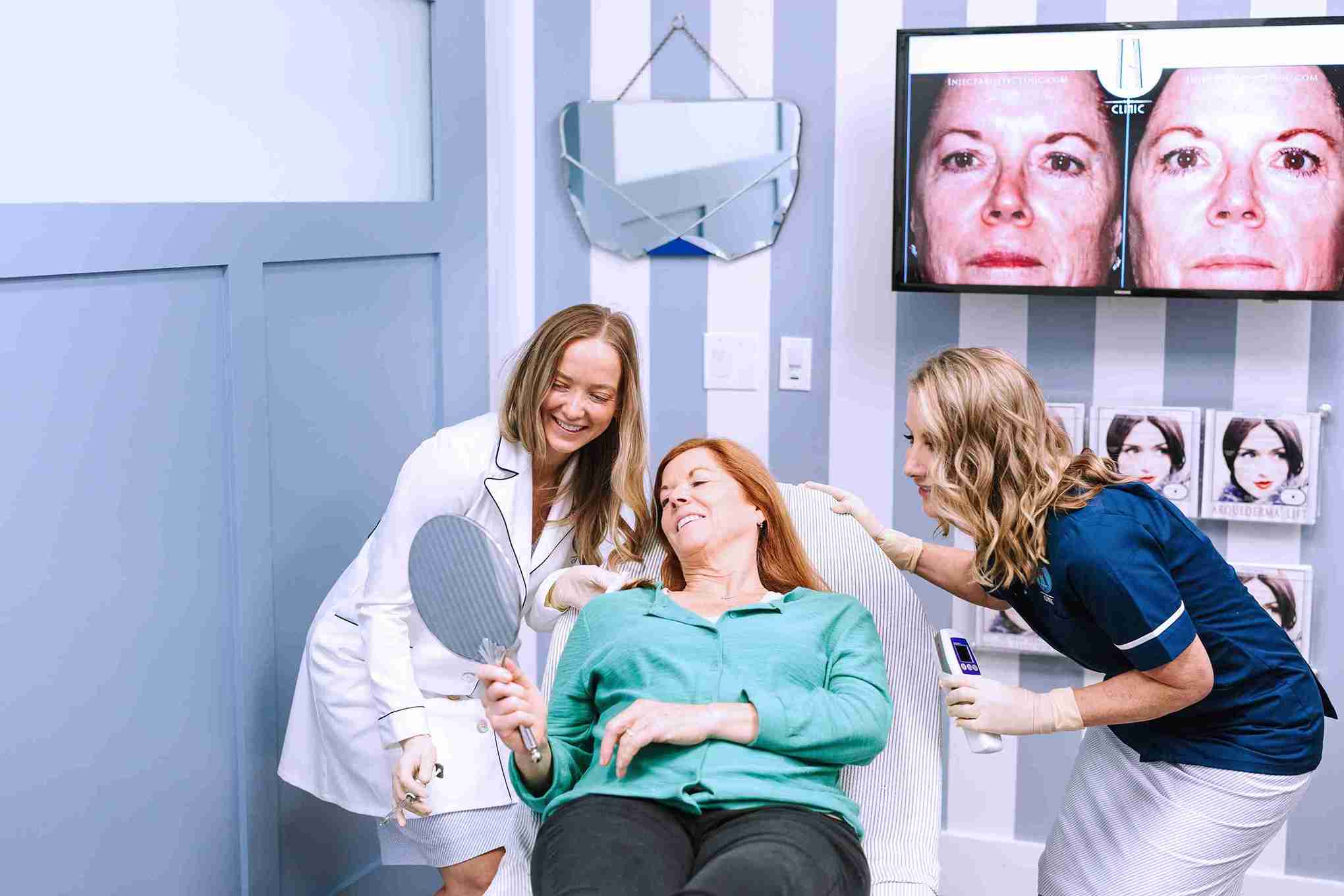
Words cannot express how much that I truly LOVE this place and everyone there!!!!! I have been coming there for the last 20 years or more, since it was in the original location on Post Ave. I will NOT go anywhere else!!!!They treat me with the most kindness and always accommodate me with any requests, until I am completely satisfied with my results. They answer all my emails immediately, even on days that I believe the office is closed! The owner is truly a master at what she does and truly cares.
- Julie Randall


