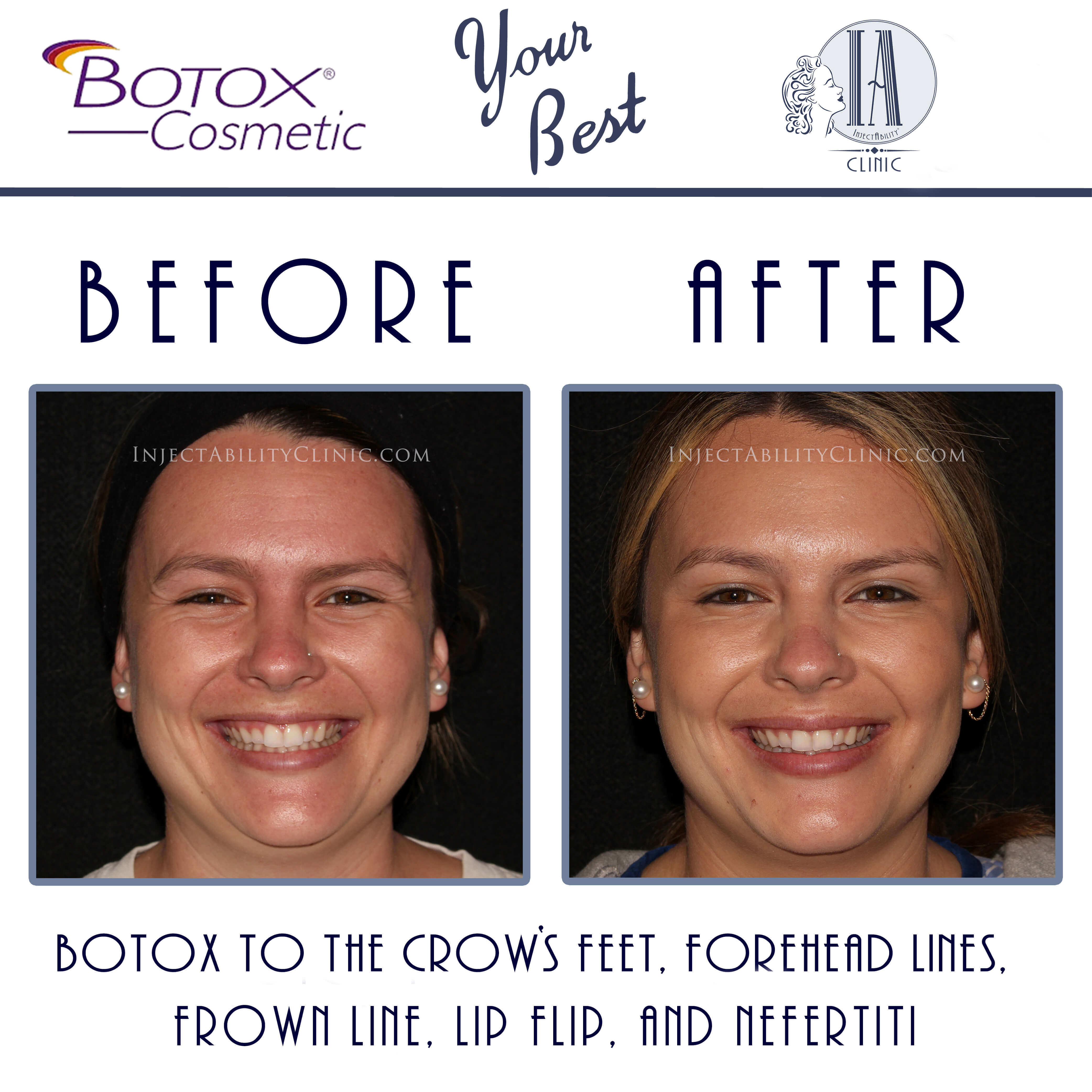
There is a particular kind of surprise that comes from catching your reflection mid-conversation and noticing a crease between your eyebrows that was not there a few years ago. Or looking at a photo where you were not even frowning, yet the lines are still visible. For a lot of people in Torrance, this moment is what finally prompts the question of what is actually happening to their skin, and whether anything can be done about it.
The truth is, expression lines like these are one of the most predictable and well understood signs of facial aging, and they show up earlier for some people than others for very specific reasons. This guide covers what causes them, why they can appear even at rest, and how Botox® has remained one of the most trusted, extensively studied treatments for softening them. Updated for August 2026.
These lines are often grouped together under the umbrella of dynamic wrinkles, but understanding the mechanism behind them makes it much easier to see why certain treatments work so well.
Every time you frown, raise your eyebrows, or squint, the underlying facial muscles contract and fold the skin above them. In younger skin, this fold releases completely once the muscle relaxes. Over time, repeated muscle contraction combined with a natural decline in collagen and elastin means the skin has a harder time bouncing back fully, and the crease starts to remain visible even when the face is at rest. This is why these lines are often called expression lines or dynamic wrinkles, since they are directly tied to repeated muscle movement rather than sun damage or volume loss alone.
A few factors tend to accelerate this timeline. People with naturally expressive faces, who frown, squint, or raise their eyebrows more frequently throughout the day, tend to develop these lines sooner. Screen use plays a role as well, since squinting at phones and computer screens for extended periods throughout the day repeats the same muscle contraction over and over. Sun exposure breaks down the collagen that would otherwise help the skin resist creasing, and genetics influence both skin thickness and how expressive a person's resting facial muscles naturally are.
Dynamic wrinkles only appear when the face is actively moving, such as when frowning or smiling. Static wrinkles are visible even when the face is completely relaxed. Frown lines and forehead creases often begin as dynamic wrinkles in someone's late twenties or thirties, and gradually become static over time if the underlying muscle activity is never addressed.
While this varies widely by individual, many people begin to notice the earliest signs of frown lines and crow's feet in their late twenties to mid-thirties, particularly if they have expressive facial features or spend significant time in the sun without protection.
There is sometimes a misconception that treatments like Botox® are only for older patients, or that starting early is somehow premature. The research and clinical experience actually suggest otherwise.
Yes, and this is one of the more well supported ideas in aesthetic medicine. By reducing the repeated muscle contraction that causes dynamic wrinkles to form, treatment can help prevent those lines from becoming etched into the skin permanently, a concept often referred to as ‘prejuvenation’ rather than waiting until lines are already static and harder to treat.
For most people, nothing dangerous happens medically, but the lines will typically continue to deepen gradually over time as the skin loses more elasticity and the same muscle movements repeat day after day, year after year and will eventually become permanent if not treated with Botox.®
Botox is a purified neuromodulator that works by temporarily relaxing the targeted facial muscles responsible for the repetitive movement that creates dynamic wrinkles.
A small amount of Botox® is injected directly into the specific muscles responsible for frowning, raising the eyebrows, or squinting. Over the following days, the treated muscles gradually relax, which softens the overlying skin and reduces the appearance of the associated lines, without affecting the rest of the face's natural movement and expression.
Most patients begin noticing results within three to five days, with full effects visible around the two week mark. Results typically last three to four months, at which point the muscle activity gradually returns and a follow up treatment can be scheduled to maintain the results.
Injectability Clinic also offers Dysport or Daxxify as an alternative neuromodulator, which works through a similar mechanism but may suit certain patients or preferences differently. For patients interested in more subtle, precise dosing in specific areas, the practice also offers Microtox, a more superficial technique often used to refine skin texture and pore appearance, and Theratox as another treatment option worth discussing during a consultation.
Botox® tends to be well suited for adults noticing early dynamic wrinkles that they would like to soften before they become permanent, people with visible frown lines, forehead creases, or crow's feet that bother them in photos or the mirror, and anyone interested in a preventative approach to expression lines rather than waiting until they are more advanced.
Certain medical conditions, pregnancy, and breastfeeding are generally reasons to avoid Botox® , so an honest conversation about your health history during your consultation is an important first step.
At Injectability Clinic, a proper consultation begins with a close look at your facial movement patterns and the specific areas of concern, since everyone's muscle activity and desired outcome are slightly different. The provider will walk you through expected results, discuss dosage tailored to your goals, whether that is a subtle softening or a more complete smoothing of the treated area, and answer any questions about combining Botox® with other treatments, such as dermal fillers for a more complete facial rejuvenation plan. You can also review the practice's before and after gallery to see real examples of results.
At what age should someone start getting Botox® ? There is no single correct age. Many people start in their late twenties or thirties as a preventative measure once dynamic wrinkles begin appearing, while others wait until lines are more visible at rest.
How long does Botox® last? Most patients see results last around three to four months before a follow up treatment is needed to maintain the effect.
Does Botox® hurt? Discomfort is typically minimal and brief, often compared to a quick pinch, since the needles used are very fine and the injections are quick.
Can Botox® prevent wrinkles from forming in the first place? Yes, when used proactively on dynamic wrinkles, Botox can help slow the process of lines becoming permanently etched into the skin by reducing repetitive muscle movement.
Is there any downtime after Botox® treatment? Downtime is minimal for most patients, with the ability to return to normal activities immediately, aside from avoiding strenuous exercise or lying down for a few hours after treatment.
Frown lines and forehead creases showing up earlier than expected can feel unsettling, but understanding why they happen takes a lot of the mystery out of it. Botox remains one of the most studied and predictable ways to soften these expression lines while keeping your natural movement and personality intact. If you have been considering it, the team at Injectability Clinic in Torrance can help you figure out the right approach for your face and your goals.
This article was updated in August 2026 to reflect current Botox techniques and treatment guidelines.

Every experience the staff has gone above and beyond to make sure I was comfortable with my choice, during my treatment and confident in my results. They are kind and knowledgeable. Leslie is a master with Botox, and Emma is a wizard at skincare recommendations. Front staff is quick to respond and accommodating. Over the past year, I've pursued the Cool Sculpt and Cool Tone treatments, and am so happy with the results.
- Krista B.

I got filler for the first time with Dominique. She is such a sweetheart! She listened to all of my concerns and delivered the exact results I wanted! She didn't rush and took her time to achieve the look I was going for, natural youthful lips! She has a gentle hand and made me feel so at ease. I will be returning soon. And the clinic is pristine and all of the staff very welcoming.
- Elena Gonzalez
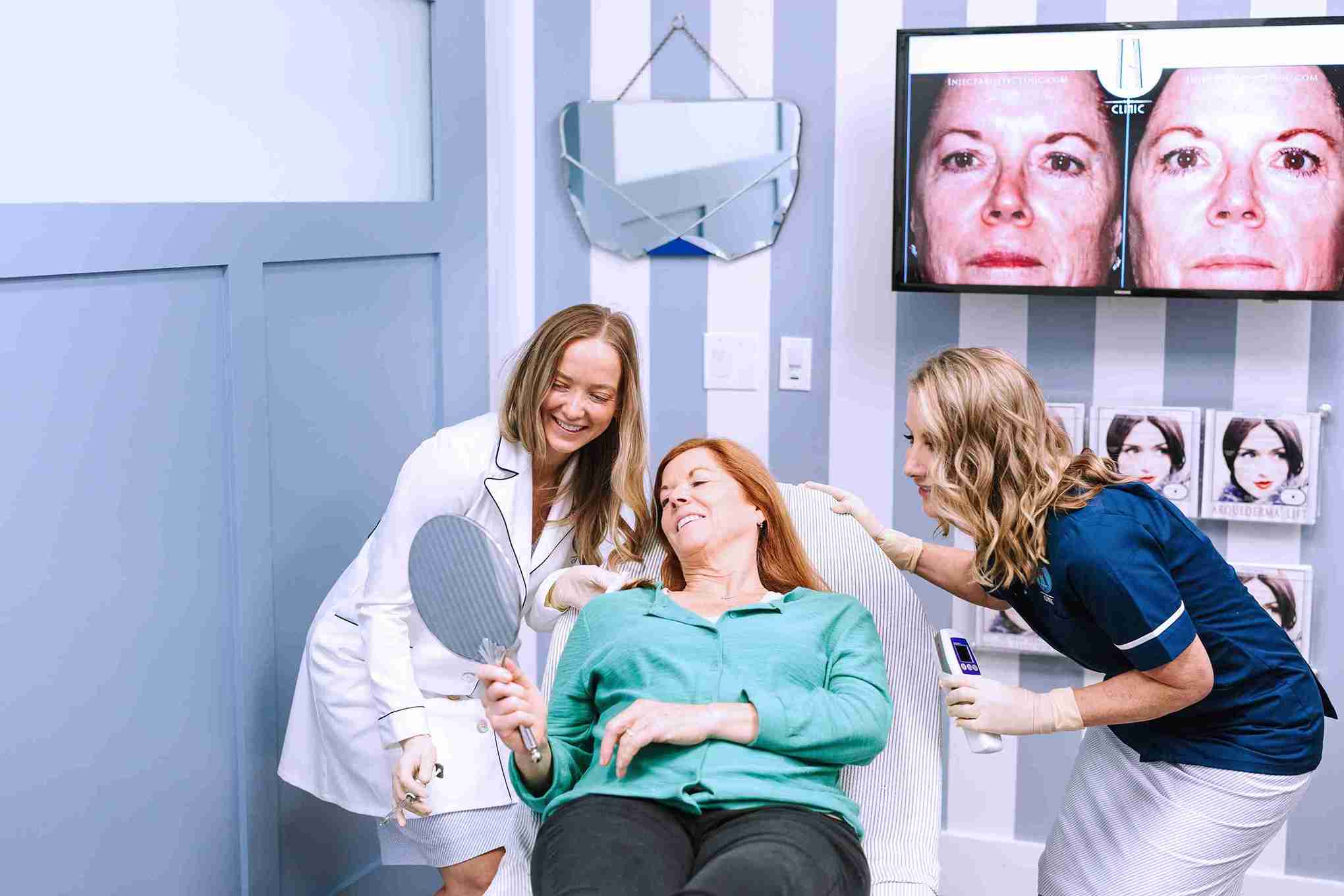
Words cannot express how much that I truly LOVE this place and everyone there!!!!! I have been coming there for the last 20 years or more, since it was in the original location on Post Ave. I will NOT go anywhere else!!!!They treat me with the most kindness and always accommodate me with any requests, until I am completely satisfied with my results. They answer all my emails immediately, even on days that I believe the office is closed! The owner is truly a master at what she does and truly cares.
- Julie Randall


